How a Lignum project runs
Five stages, and you always know who owns the one you're in.
Most domestic builds don't go wrong because someone laid a bad brick. They go wrong in the gaps — between the drawings and the price, between the electrician's first fix and the plasterer's arrival, between “nearly finished” and finished. Here is how a Lignum Build project is sequenced so those gaps belong to us rather than to you.
01
A look at the job, and an honest read on it
Pat comes out, walks the property with you and tells you what the work you're describing actually involves — where the structure needs opening up, what the drainage or electrics will dictate, and which parts of the wish list are worth the money. Nothing is priced before it's understood.
What you get at this stage
A walk round the property with Pat and a straight account of what your idea actually involves — including the parts of the wish list that aren’t worth the money.
02
Drawings, approvals and the structural detail
For anything structural — a loft, a knock-through, an extension, a reconfiguration with steels in it — the drawings, the calculations and the building control side are pinned down before work starts. It's the stage that decides whether a build runs smoothly or stalls halfway.
What you get at this stage
Drawings, structural calculations and the building control route settled before anything is knocked about, so the programme doesn’t stall in week three waiting on paper.
03
A written price and a sequence for the work
You get the price in writing, broken down so you can see what sits where, along with the order the trades will come in. Because bricklaying, plastering, plumbing, tiling and electrics are all ours, that sequence is something we control rather than something we hope for.
What you get at this stage
A written price, broken down, plus the order the trades will arrive in — a sequence we own, because the trades are ours.
04
The build, run by the person who quoted it
Pat is on the job with the team rather than managing it from a distance — the point clients keep making in their own words. You get one number to ring, decisions answered the same day, and the site left in a state you can live alongside.
What you get at this stage
One number to ring, decisions answered the same day, and the site left in a state you can live alongside while the work is on.
05
Joinery, finishing and a proper handover
The bespoke joinery goes in last: the staircase, the wardrobes, the cabinetry, the trims that make the room fit its house. Then it's snagged properly, cleaned, and handed over with the paperwork you'll want for the file.
What you get at this stage
A snagging walk-round where you make the list, bespoke joinery fitted to the finished openings, a cleaned site and the paperwork worth keeping.
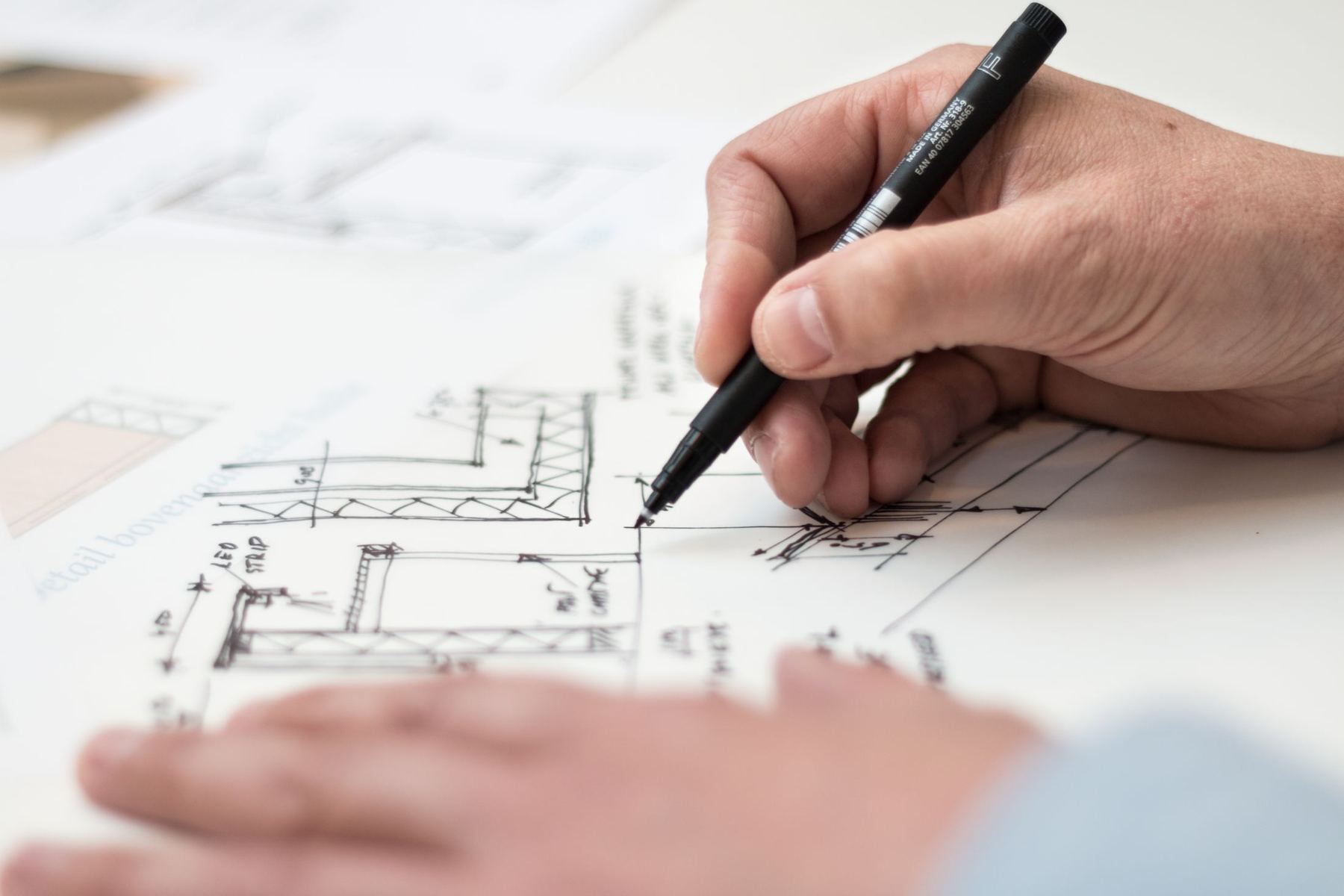
Stage two is the one that decides everything after it — drawings, calculations and approvals before a wall comes out
Why the sequence matters more than the trades
One firm carrying every trade changes the maths.
The usual way
Five subcontractors, five diaries and five sets of priorities. The plasterer arrives before first fix is signed off, the tiler is booked for a week the plumber can't make, and the person holding it together is whoever lives in the house.
The Lignum way
Bricklaying, plastering, plumbing, tiling and electrics are carried out by our own team — the firm's own published position. When two trades need to agree on a detail they agree between themselves, before it becomes a delay.
What you notice
Clients keep using the same two words unprompted: on time. A Markyate loft “completed on time”; a Harpenden bathroom “on time and budget”. That is what owning the sequence buys.
Ready for stage one?
Ring Pat and describe the project, or email over drawings and photos.