Guide · bespoke joinery
Bespoke joinery, explained honestly — including when you don't need it.
“Bespoke” is one of the most abused words in building. This is a plain guide to what it actually means, where it earns its money in a Hertfordshire house and where it doesn't, which timber suits which job, and how to brief a joiner so the quote you get back is worth comparing.
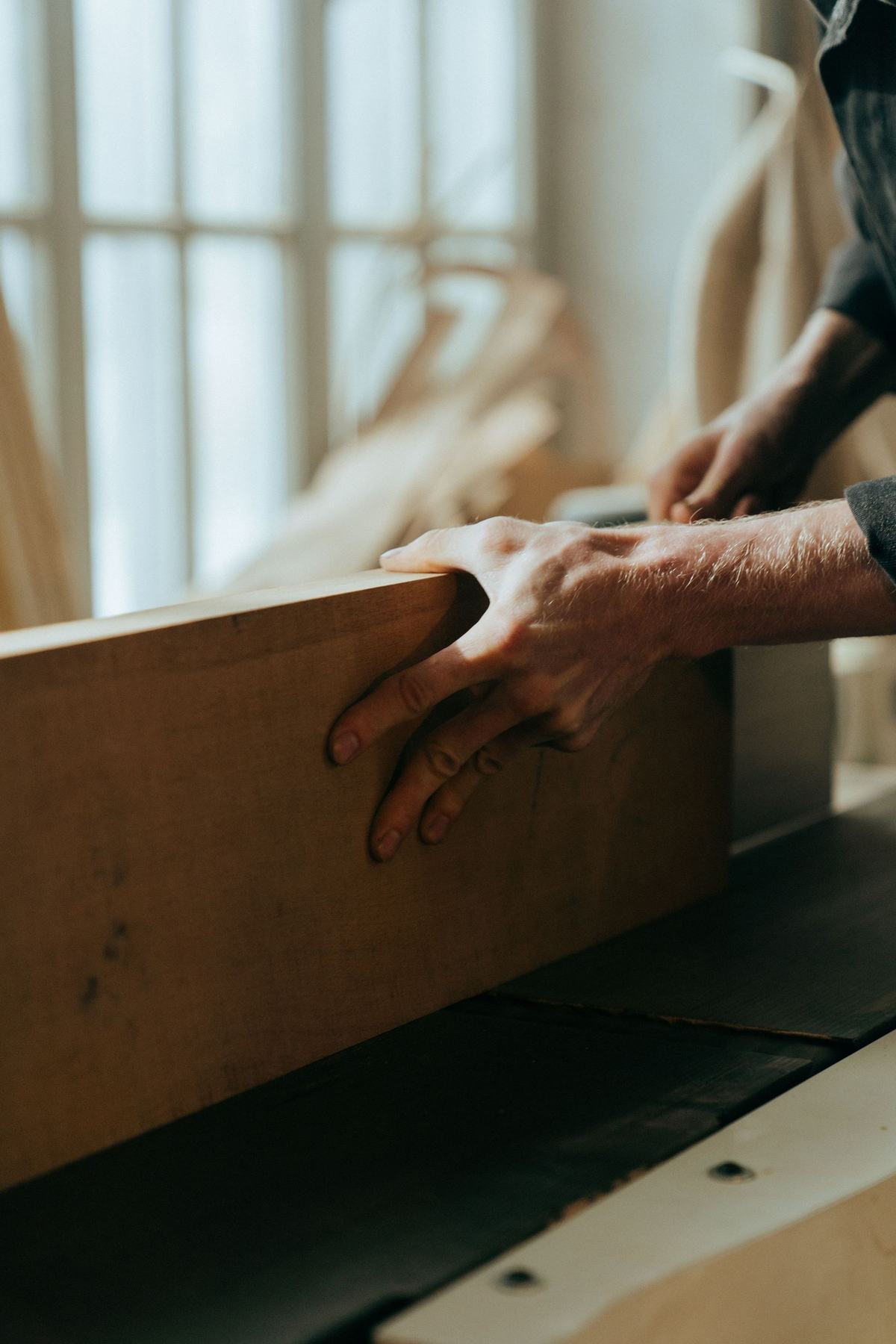
Flat-pack
Standard sizes
Carcasses in fixed widths, assembled on site and made to fit the room with filler panels. Perfectly sensible in a new build with square walls and standard ceiling heights. The giveaway is the scribe: a 200mm filler at one end and a shadow gap you can drop a pen into.
Fitted
Standard parts, adjusted
Manufactured components ordered close to the right size and trimmed in. Better, and often the right value choice. But the internal layout is still whatever the catalogue offers, and awkward geometry — a chimney breast, a sloping loft ceiling — defeats it.
Bespoke
Made for that opening
Surveyed off the finished wall, drawn, made, then scribed on site. Nothing is filled because nothing needs filling; the internal layout is whatever you actually own. It costs more and takes longer, and in an alcove, a loft or a period room it is the only thing that works.
Choosing timber
The right species is usually the boring one.
Timber choice is mostly a question of where the piece lives and whether it's being painted. General guidance, not a sales list — half of these cost less than the oak everyone asks for first.
European oak
Staircases, structural-looking joinery, exposed frames, kitchen worktops
Hard, heavy, strongly figured and very durable. Moves with humidity more than people expect, so panels need room to breathe. Tannins in oak react with steel and with some finishes, which is why fixings and finish schedules matter.
Ash
Handrails, curved work, furniture-grade cabinetry
Pale, tough and unusually good at being steam-bent, which makes it the traditional choice for a continuous handrail round a turn. Takes a clear finish beautifully; less happy anywhere damp.
Tulipwood (poplar)
Painted cabinetry, wardrobes, panelling, painted doors
The quiet workhorse of painted joinery. Stable, fine-grained and takes paint flatter than oak or pine ever will — if the piece is going to be sprayed white, paying for oak underneath is paying for something nobody will see.
Accoya and modified softwoods
External windows, doors, cladding, garden joinery
Softwood treated so it barely moves and resists rot. For anything outside, dimensional stability matters more than hardness — a door that swells 3mm in a wet October is a door that doesn’t shut.
Birch and veneered ply
Carcassing, hidden structure, contemporary exposed edges
Flat, strong and predictable. A well-made ply carcass with solid timber fronts is often the right answer — cheaper where it doesn’t show, solid where it does.
MDF (moisture-resistant)
Painted panelling, alcove shelving, bathroom cabinetry
Not a compromise when it’s used honestly: for a flat painted finish in a stable interior it beats timber, because it has no grain to raise and no movement to crack a mitre. Just never where it can get properly wet.
Briefing a joiner
Five things that make a quote comparable.
Two joinery quotes for “fitted wardrobes in the back bedroom” can differ by a factor of three and both be honest, because they're quoting different objects. Give everyone the same five things and the numbers start meaning something.
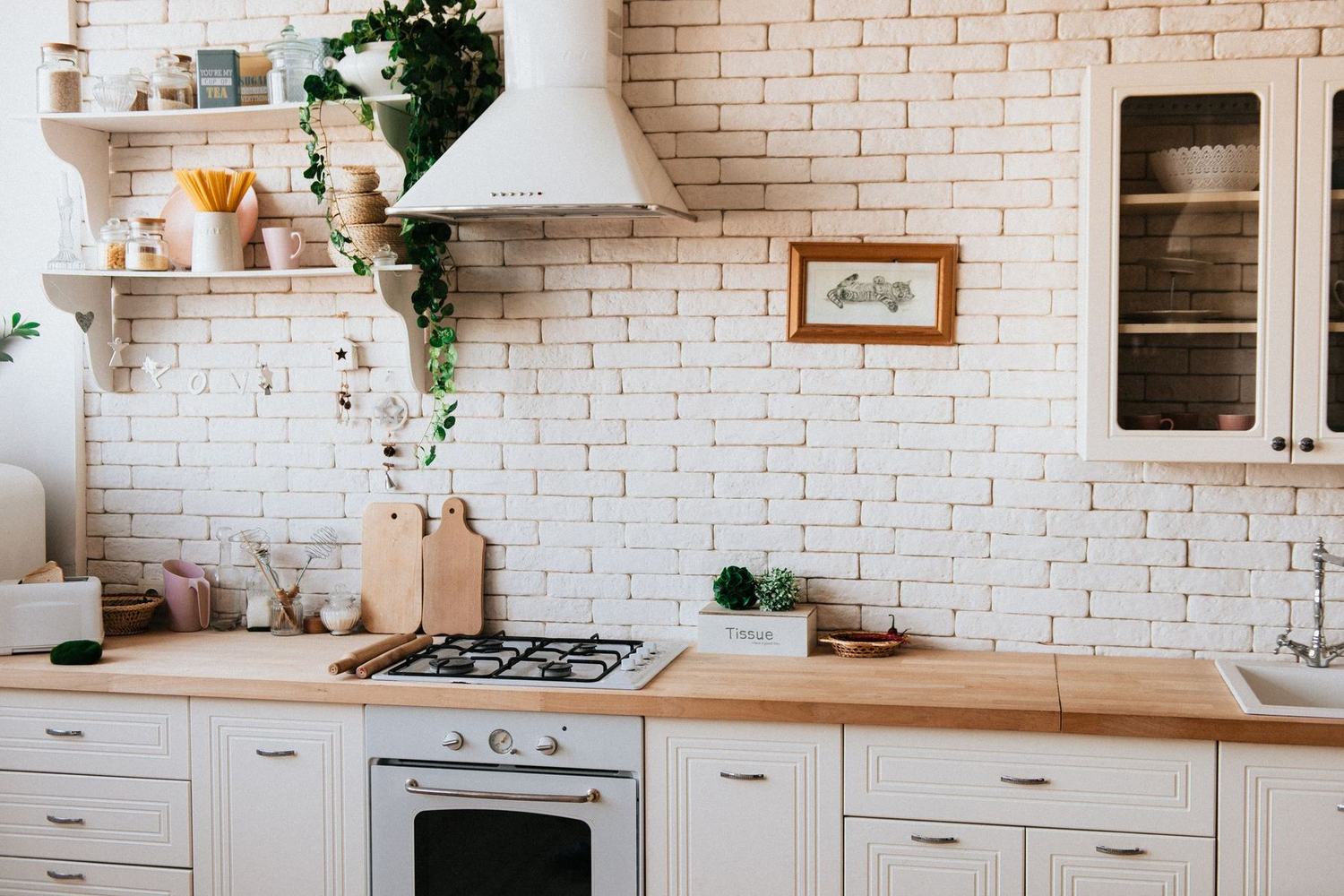
1. Photograph the space, including the ugly bits
Pipe boxings, meter cupboards, a radiator you can’t move, the skirting profile, the way the floor slopes. Those are the things a bespoke piece is being made to solve, and they are exactly what gets left out of the photos people send.
2. Say what has to go inside it
Not “a wardrobe” — a hanging rail long enough for coats, six shirt drawers, a shelf that takes a suitcase, room for the hoover. Internal layout drives the carcass, and the carcass drives the price.
3. Decide painted or clear-finished early
It changes the timber, the construction and the cost. Painted work can be built from stable, sensible materials; clear-finished work has to be right in the grain, which means better stock and more of it wasted.
4. Bring the handle
Or a photo of it. Ironmongery decides drilling centres, door gaps and sometimes the whole proportion of a run of doors. It is the smallest decision with the largest number of consequences.
5. Be honest about the deadline
Bespoke work has a making stage that can’t be compressed by adding people to it. A joiner who knows your real date can tell you whether it’s possible; a joiner who finds out late can only apologise.
Living with timber
Timber moves. Good joinery is designed around that.
Let it acclimatise
Timber takes on and gives off moisture until it matches the room it's in. Fitting a solid floor or a solid door into a house that's just been plastered — with several hundred litres of water drying out of the walls — is how gaps and sticking doors happen. It's a scheduling problem, and it's why joinery is a late-stage trade on a Lignum programme.
Expect seasonal movement
A wide oak panel will be perceptibly wider in a humid August than in a centrally heated February. Proper construction allows for it — floating panels in frames, slotted fixings on worktops, expansion gaps under skirtings. A hairline seasonal gap at a panel edge is timber behaving; a cracked mitre is timber that wasn't allowed to.
Look after the finish, not the wood
Oiled surfaces want re-oiling occasionally and hate being scrubbed with anything harsh; lacquered and sprayed finishes want a damp cloth and nothing more. Most “damaged” joinery is really a worn finish, which is a morning's work rather than a replacement.
Outside is a different game
External joinery fails at the joints and end grain, where water sits. Design it to shed water, finish the end grain properly, keep the bottom rail off standing water, and inspect the south and west elevations first — they take the weather. Maintained, timber windows outlast almost anything.